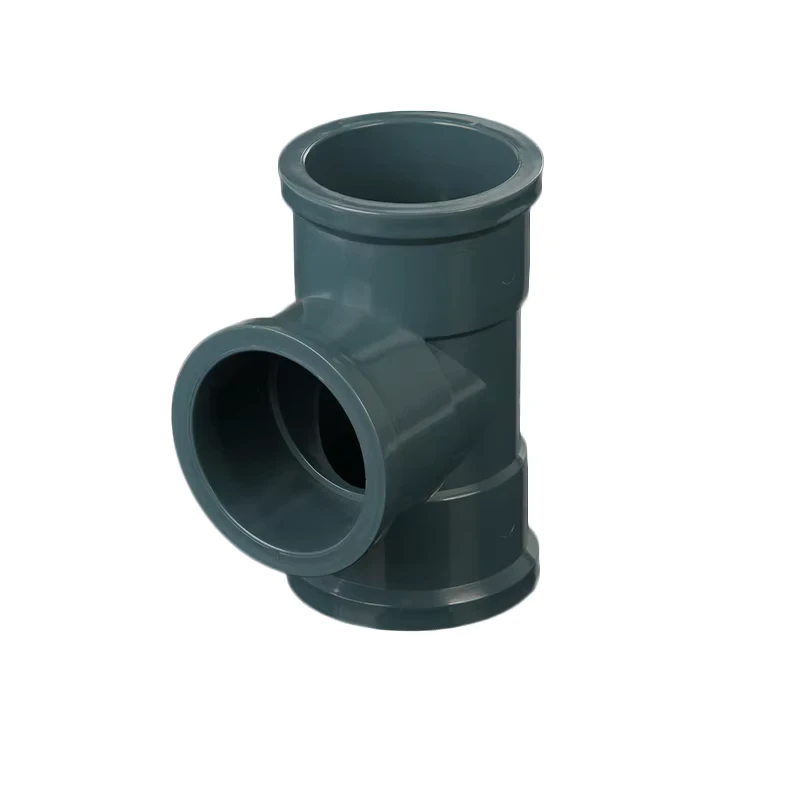
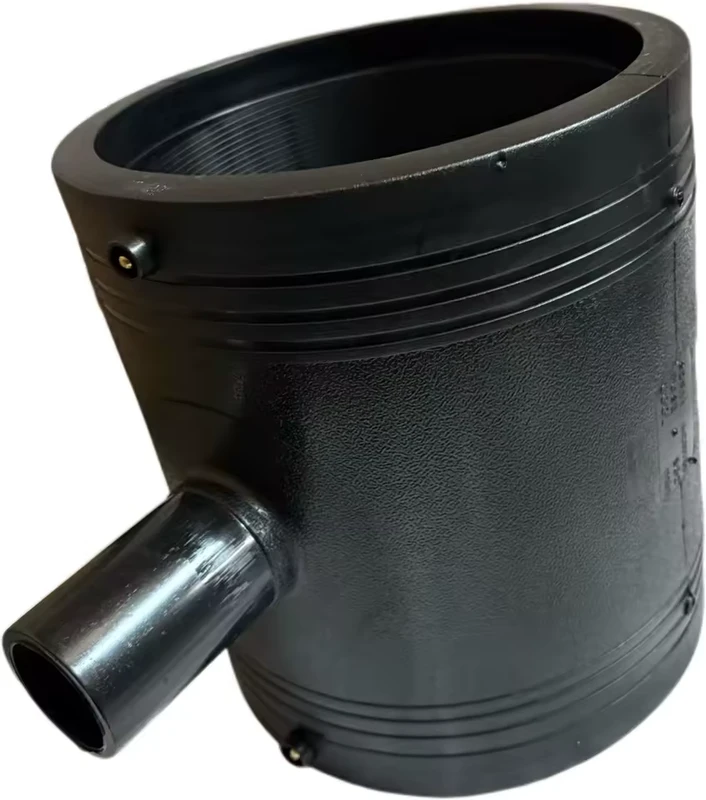
Compare SN8 corrugated drainage pipe, a PN16 reducer, and a DN450 flange when sourcing HDPE components for buried utility projects.
Buried utility projects often include separate gravity drainage and pressurized plumbing networks. Purchasing them together can simplify supplier coordination, but only when every component is matched to its intended service. Pipe stiffness, pressure class, material grade, dimensions, joining method, and applicable standards should therefore be reviewed as separate procurement criteria.
Start with the network function
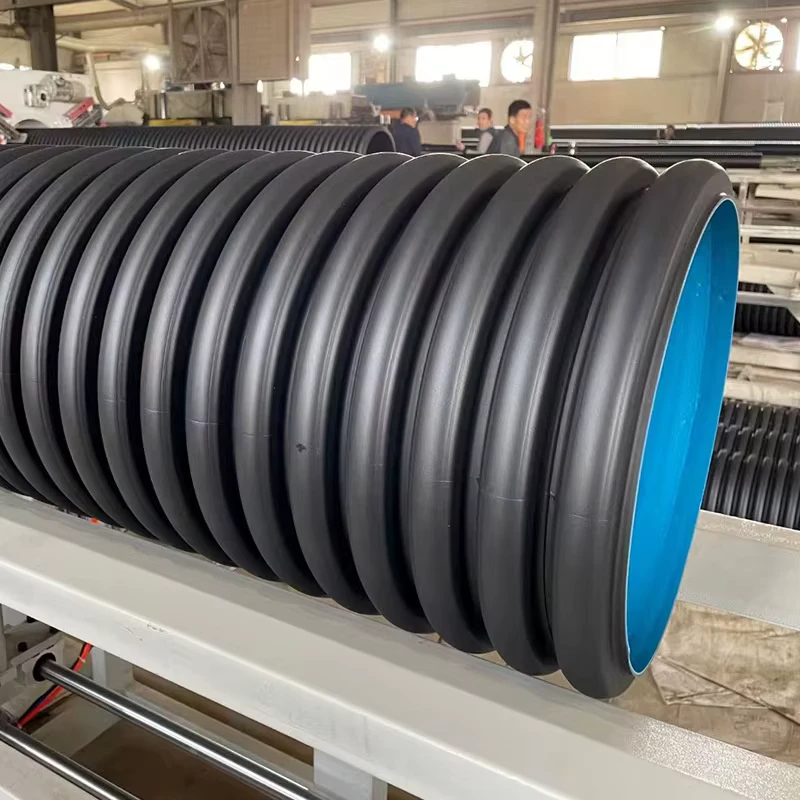
For gravity drainage, the SN8 corrugated pipe combines a structured double-wall profile with PE construction. Available information covers diameters from 20 to 1200 mm, several standard lengths, and customized dimensions. References include GB/T 19472.1, EN 13476, and ASTM F2306, allowing buyers to identify the standard relevant to their destination market before ordering.
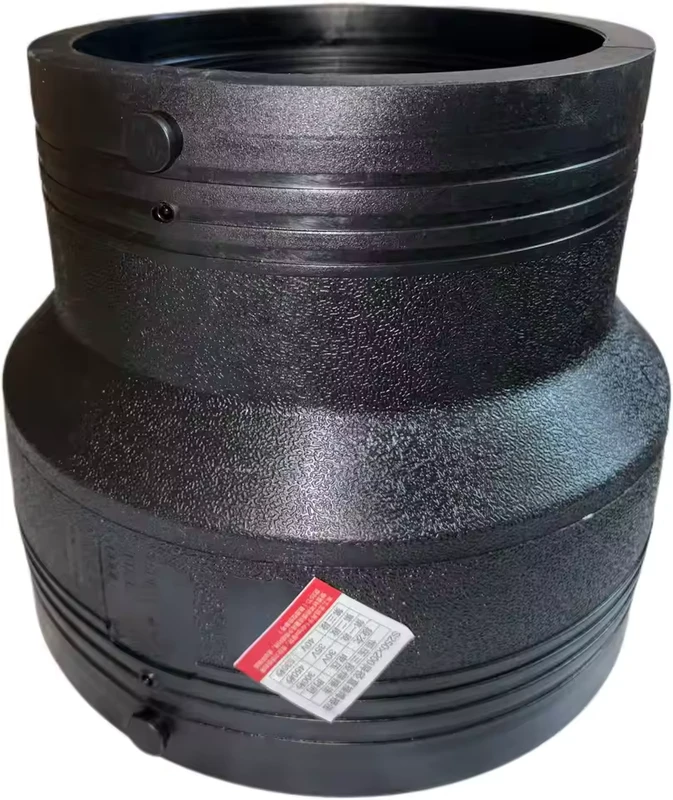
Pressurized lines require a different specification process. The PN16 reducer coupling provides a welded transition from DN250 to DN200. Its PE100 or PE80 material options, metric dimensions, corrosion resistance, and underground suitability make it relevant to water distribution and industrial piping layouts where a controlled diameter change is required.
Check interfaces before shipment
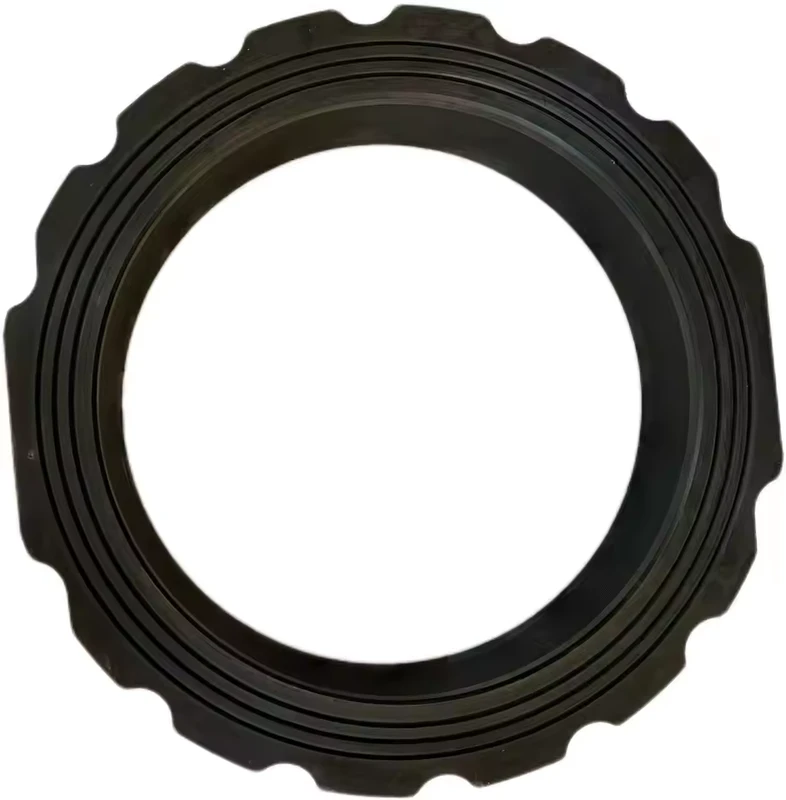
Where an HDPE line must terminate at flanged equipment or another piping section, the DN450 flange fitting offers a PN12.5, SDR13.6 configuration. Buyers should confirm flange drilling, mating dimensions, pressure rating, resin grade, and installation requirements rather than relying on nominal diameter alone.
A well-prepared inquiry should separate drainage quantities from pressure-system fittings and state required standards, sizes, lengths, PN or SDR classes, and delivery schedule. Explore additional plastic fittings, or send your project schedule for specification review, export packing details, and a tailored quotation.