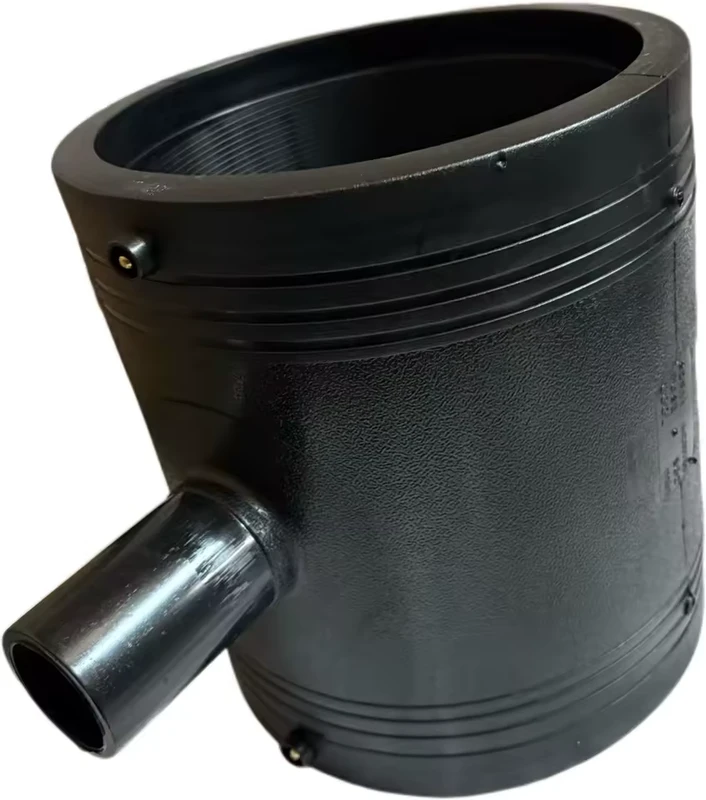
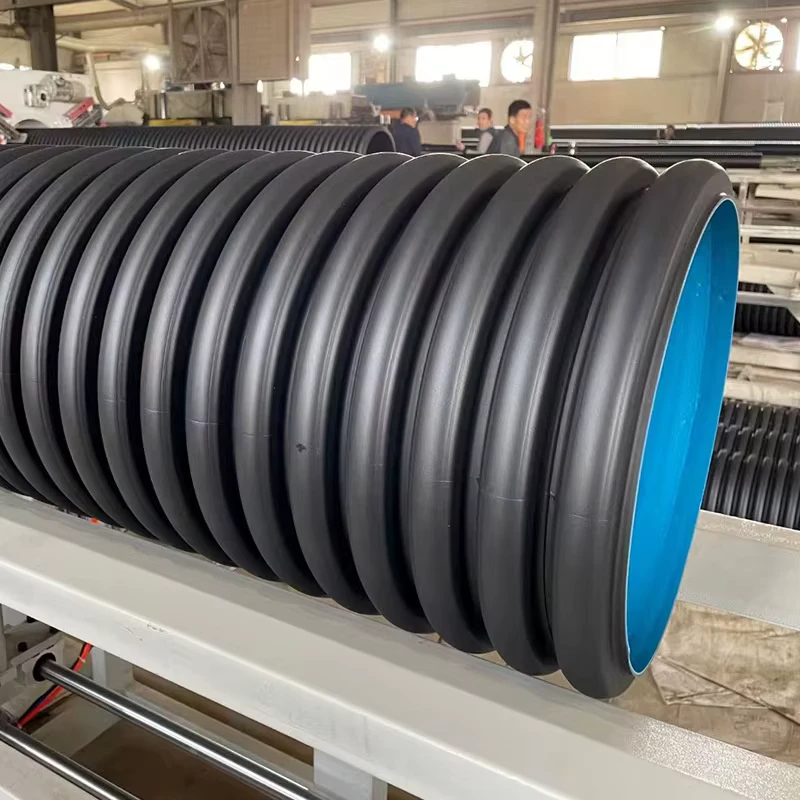
Compare PVC tees, PN20 HDPE electrofusion elbows, and compact POM quick connectors to build a more practical plastic fitting range.
A useful piping portfolio is not built around one material alone. Importers and project buyers often need fittings for conventional branch lines, underground pressure networks, and compact air or water equipment. Understanding how each connection technology fits its application helps buyers specify products accurately and reduce costly mismatches.
PVC and HDPE for Pipeline Infrastructure
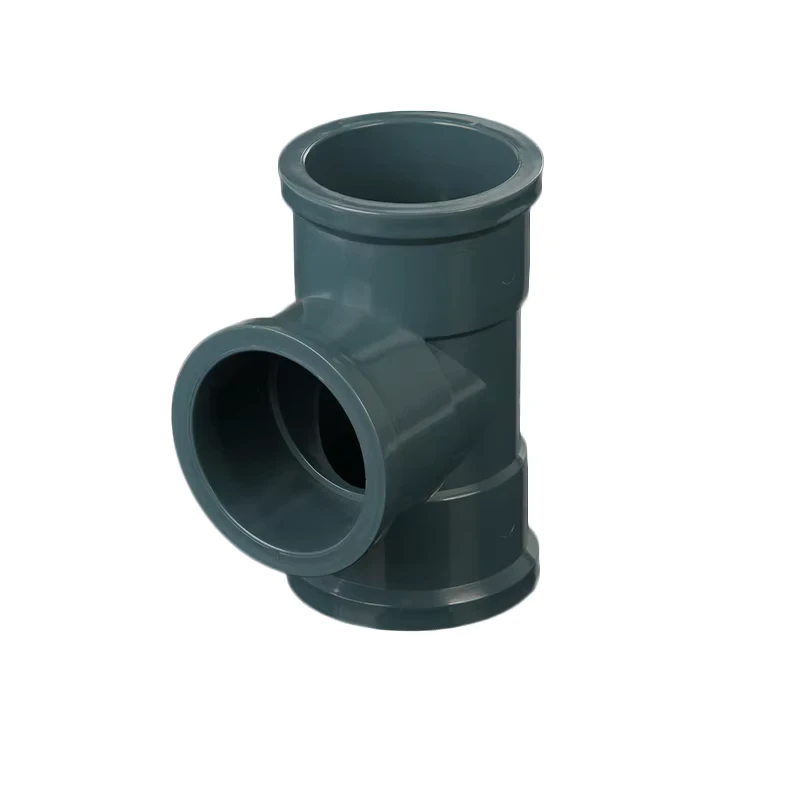
For general pipe branching, the smooth PVC tee provides an equal, round configuration with male and female connectivity. It is presented with a Class 1000 rating and an NBR 5648 specification reference. Size, color, surface treatment, and packaging can be discussed for OEM, ODM, or distributor programs.
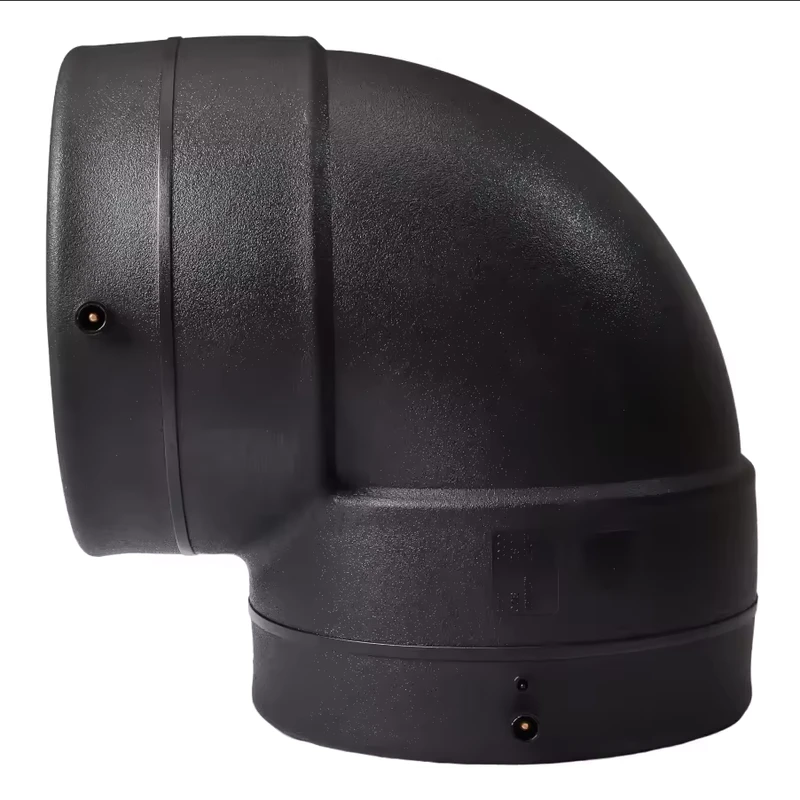
Larger pressure systems require a different approach. The black HDPE electrofusion elbow is designed for welded pipe connections and features a DN200 metric size, 90-degree direction change, and PN20 SDR9 classification. Its corrosion-resistant, UV-resistant, and underground-rated characteristics make it relevant to demanding plumbing and infrastructure specifications.
Compact Connections for Equipment Lines
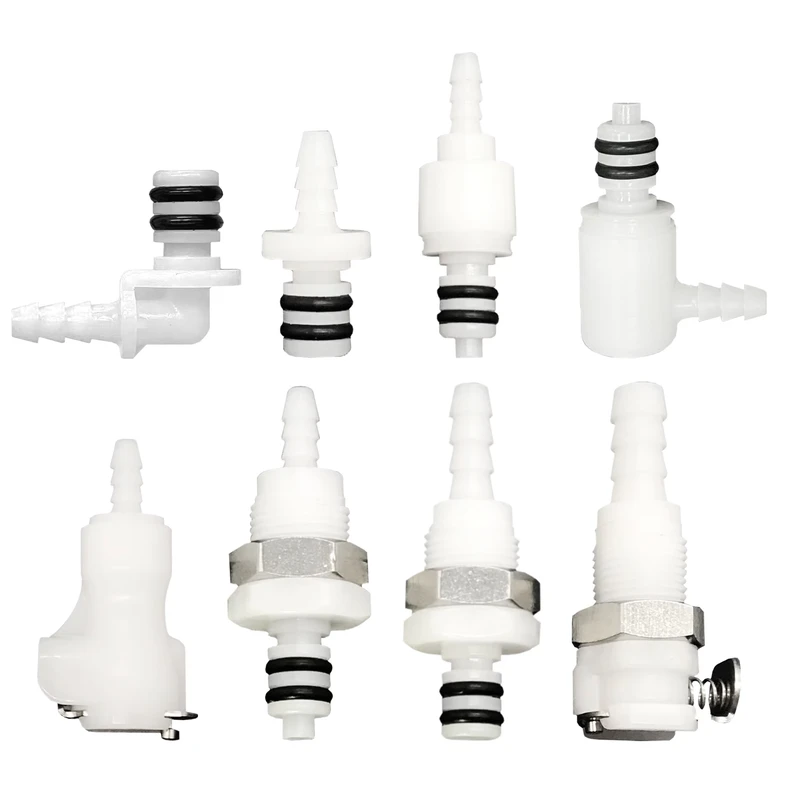
Smaller tubing systems prioritize fast operation and space efficiency. The POM quick connector combines a polyoxymethylene body with stainless-steel latch and spring components. Designed for air and water lines, it supports tubing sizes including 1/8, 3/16, and 1/4 inch, with a stated range from vacuum to 120 psi and temperatures from -40°C to 100°C.
These fittings are not interchangeable, but together they address distinct purchasing needs. Buyers comparing the wider plastic fittings range should confirm pipe material, dimensions, pressure, temperature, connection method, and required customization. Share your technical schedule, target market, and order volume to begin a focused quotation discussion.